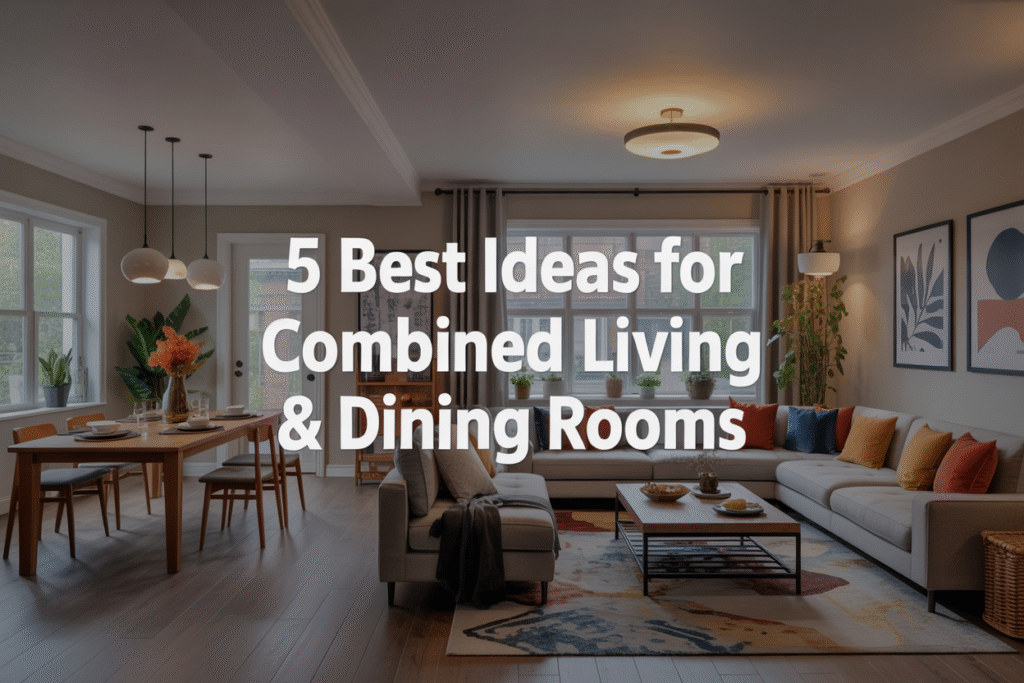
5 best ideas to decorate living room & dining room combined
Open floor plan living spaces present unique opportunities to create beautiful, functional areas that work double duty. Combined living dining room decorating ideas can transform these challenging spaces into cohesive, stylish environments that serve multiple purposes without feeling cramped or cluttered.
This guide “5 best ideas to decorate living room & dining room combined” targets homeowners and renters dealing with open concept living dining room design challenges, from studio apartments to spacious homes with flowing floor plans. The key lies in striking the right balance between unity and distinction, creating spaces that feel connected yet purposeful.
The following strategies will explore how to create visual separation between zones while maintaining design flow, establish cohesive elements that tie both areas together, and maximize functionality without sacrificing style. These proven techniques will help transform any living dining room combo layout into a space that looks professionally designed and feels perfectly suited to daily life.
Create Visual Separation and Define Zones
Use architectural features as natural dividing points
Existing architectural elements provide the most seamless approach to creating visual separation in combined living dining room spaces. Staircases serve as particularly effective natural dividers, as demonstrated in contemporary home designs where strategic placement allows natural light to flow into both zones while establishing clear boundaries. The positioning of staircases toward the side and rear of spaces creates better flow and multiple entertaining areas without compromising the open feel.
Ceiling variations, beams, and columns also function as natural dividing points that require no additional construction. These elements help establish distinct zones while maintaining the cohesive flow essential for successful open floor plan decorating tips.
Install built-in elements to create boundaries-5 best ideas to decorate living room & dining room combined
Built-in features offer permanent solutions for dual purpose living dining space design. Floor-to-ceiling bookcases provide excellent room division while maintaining visual connection between spaces. These open-backed shelves allow light and airflow to continue throughout the area while creating defined functional zones.
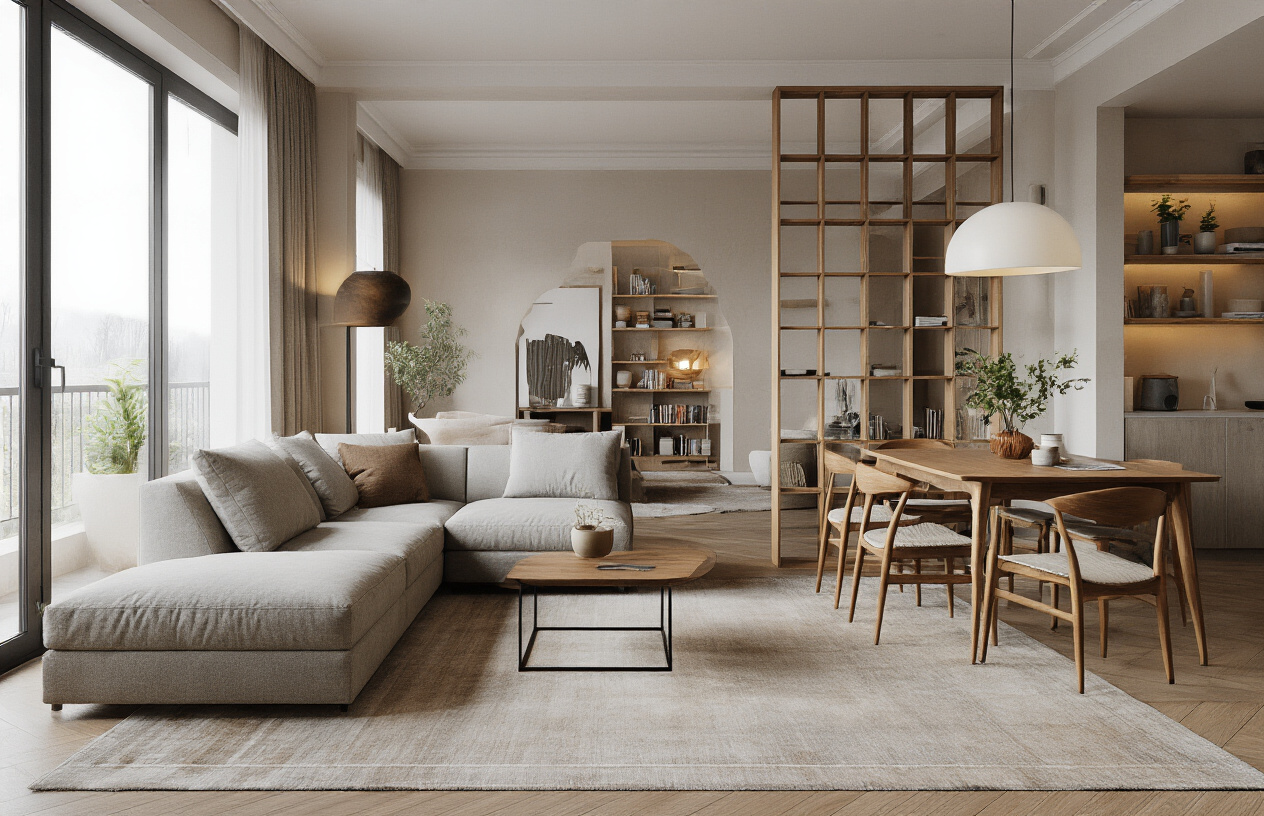
Dry bars represent another strategic built-in option, particularly effective for living dining room separation ideas. Short walls outfitted as bars with credenza storage for dinnerware create functional boundaries that enhance entertaining capabilities. Steel and glass partitions combine structural definition with light transmission, playing with mixed materials while allowing natural illumination to reach both spaces.
Employ overhead lighting to distinguish spaces
Statement lighting serves as one of the most effective cohesive living dining room decorating techniques. Pendant lights and chandeliers define specific zones while creating intimate atmospheres within the larger space. Strategic placement of overhead fixtures establishes clear boundaries between living and dining areas without physical barriers.
Different lighting styles for each zone help reinforce their distinct purposes while contributing to the overall design cohesion. Low-hanging pendants over dining tables create focused task lighting, while ambient fixtures in living areas provide general illumination and visual separation.
Add French pocket doors for contained yet open feel
Glass pocket doors offer the ultimate flexibility for combined living dining room decorating ideas. These elegant solutions provide complete separation when needed while disappearing entirely when open floor flow is desired. The glass construction maintains visual connectivity and allows natural light distribution throughout both spaces.
Glass and metal pocket doors create sophisticated boundaries that preserve the sense of openness essential to maximize space living dining combo layouts. When closed, they provide acoustic separation for different activities, and when open, they contribute to the seamless flow that makes open concept spaces so appealing.
Establish Design Cohesion Throughout the Space
When decorating a combined living dining room, achieving visual unity requires a strategic approach that seamlessly blends both areas while maintaining their distinct functions. Building cohesion throughout an open floor plan living dining combo layout depends on carefully selected design elements that create flow and intentionality across the entire space.
Choose Unifying Color Palettes and Accent Hues
Creating a cohesive living dining room decorating scheme begins with establishing a whole house color palette that unifies both zones. The foundation should start with selecting a dominant color that serves as the primary backdrop throughout the space. This dominant shade, typically a neutral hue, provides the perfect canvas for layering additional elements across both the living and dining areas.
The ideal unified color palette should incorporate six to seven carefully chosen hues: a dominant color, several secondary colors, a trim color, and strategic accent colors. Secondary colors work particularly well in open concept living dining room design when they share undertones with the dominant shade, creating visual flow that connects each area back to the central theme.
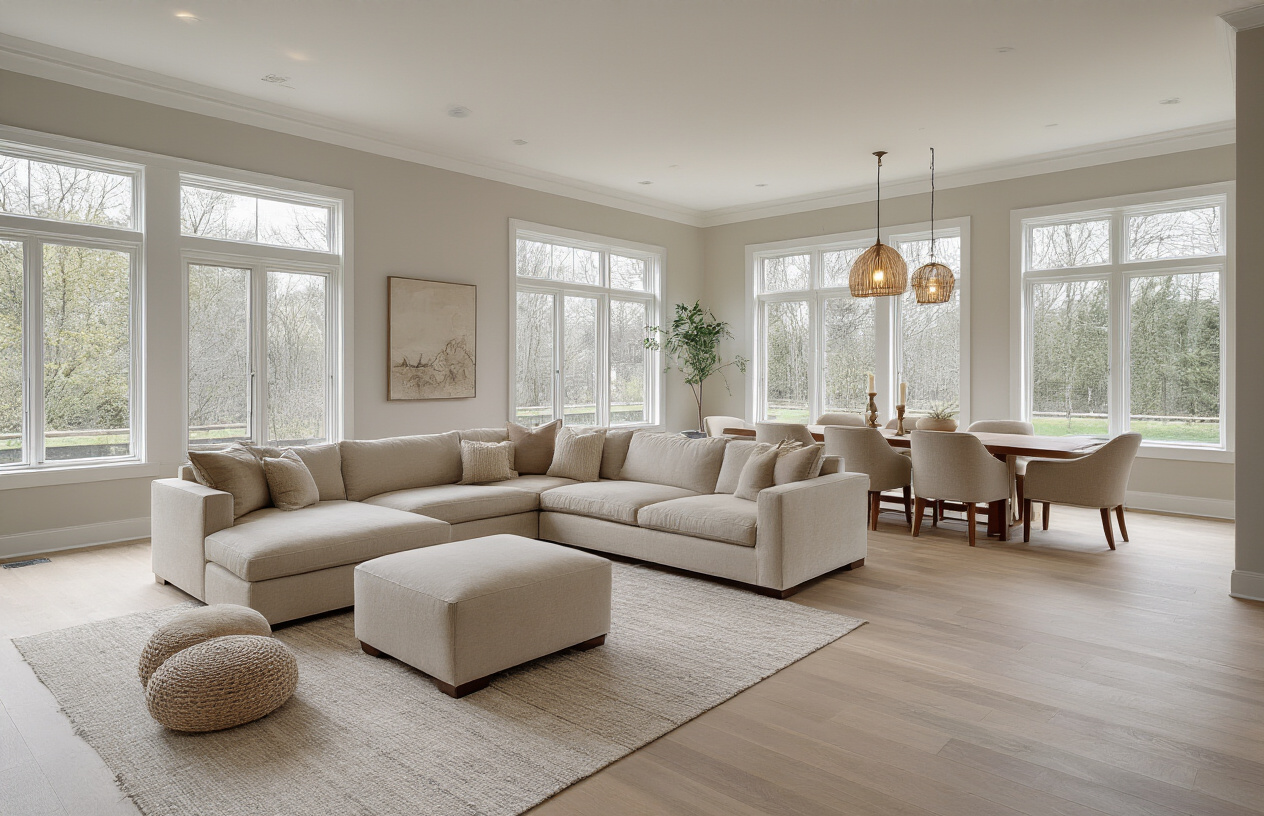
When selecting colors for combined spaces, consider paint colors that bridge two color families, such as green-gray or pink-beige combinations. These sophisticated “between” colors add complexity and depth while maintaining harmony. The strategic use of accent colors following the 60-30-10 rule ensures proper balance, with 60% dominant color, 30% secondary color, and 10% accent color distributed thoughtfully throughout the combined space.
Repeat Materials and Textures Across Both Areas
Material repetition serves as one of the most effective techniques for creating cohesion in dual purpose living dining space design. By strategically repeating key materials and textures throughout both zones, the space feels intentionally designed rather than accidentally combined.
Consider incorporating similar fabric textures in both seating areas and window treatments. If the living area features a textured throw pillow, echo that same material in dining chair cushions or table runners. Stone, metal, or ceramic elements should appear in both zones through accessories, lighting fixtures, or decorative objects to create subtle connections that the eye naturally follows.
Flooring materials provide an excellent foundation for unity, but when different flooring types are necessary, ensure they complement each other through shared undertones or similar visual weight. Hard surfaces like wood or tile can flow seamlessly between areas, while area rugs help define individual zones while maintaining material consistency through similar textures or complementary patterns.
Thread Matching Wood Tones Between Living and Dining Zones
Wood tone consistency plays a crucial role in maximizing space living dining combo effectiveness. Rather than mixing random wood finishes, establish a primary wood tone that appears throughout both areas in furniture pieces, built-ins, or architectural elements.
This doesn’t mean every piece must match exactly, but maintaining warm or cool wood undertones creates visual harmony. If the dining table features rich walnut tones, incorporate similar warmth through living room side tables, media consoles, or picture frames. Alternatively, if lighter oak dominates one area, balance it with complementary light wood accents in the other zone.
The key lies in maintaining wood tone families rather than exact matches, allowing for variation while preserving overall cohesion. This approach prevents the space from feeling too matched or sterile while ensuring both areas feel intentionally connected.
Add Subtle Tie-ins Through Coordinated Accessories
Strategic accessory coordination provides the finishing touches that truly unify combined living dining room spaces. Small decorative elements create opportunities to repeat colors, patterns, and themes without overwhelming either area’s individual character.
Consider carrying a signature color through artwork, throw pillows, vases, or decorative objects placed throughout both zones. If geometric patterns appear in living room textiles, echo similar shapes in dining room placemats or wall art. Metallic finishes should remain consistent, whether gold, silver, or bronze, appearing in light fixtures, hardware, and decorative accents across both areas.
Plants and natural elements provide excellent transitional accessories, with similar planters or plant varieties creating organic connections between spaces. Book collections, candles, or seasonal decorative items can migrate between zones, maintaining visual interest while reinforcing the unified design approach that makes open concept living dining room design feel intentional and sophisticated.
Balance Function with Style
Avoid Overloading the Space with Too Many Elements
Strategic restraint becomes essential when designing a combined living dining room layout. Rather than filling every available corner with furniture or decorative items, focus on selecting pieces that serve multiple purposes while maintaining visual breathing room. This approach prevents the space from feeling cramped or chaotic, allowing each carefully chosen element to make a meaningful impact. The key lies in understanding that every piece should earn its place through both aesthetic appeal and practical contribution to the overall design scheme.
Mix Bold Statement Pieces with Pared-Back Arrangements
Creating visual interest in dual purpose living dining space design requires a thoughtful balance between eye-catching focal points and understated supporting elements. Consider incorporating one or two striking pieces—perhaps a dramatic light fixture over the dining area or a bold accent wall—while keeping surrounding furniture and accessories minimal and refined. This contrast allows statement pieces to shine without overwhelming the combined space, maintaining the sophisticated atmosphere essential for both relaxation and entertaining.
Work with Your Room’s Proportions and Limitations
Understanding the spatial constraints of combined living dining room decorating ideas means acknowledging both ceiling height, room width, and natural traffic patterns. Rather than fighting against these inherent characteristics, embrace them by selecting furniture that complements the scale of the space. Low-profile seating can make ceilings appear higher, while vertical storage solutions draw the eye upward without consuming valuable floor space. Working harmoniously with existing proportions creates a more cohesive and comfortable environment.
Choose Furniture That Maximizes Space Efficiency
Multifunctional furniture becomes the cornerstone of successful open concept living dining room design. Wall beds that disappear with ease offer sleeping solutions without permanently dedicating floor space, while transforming tables adapt to various needs throughout the day. Storage-integrated seating, expandable dining tables, and nesting side tables exemplify how intelligent design can maximize functionality without sacrificing style. These space-saving solutions prove that compact living areas can accommodate all necessary functions while maintaining an uncluttered, sophisticated appearance that enhances both zones of the combined space.
Maximize Light and Create Airiness
Use Strategic Wall Colors to Enhance Brightness
Light and airy wall colors serve as the foundation for creating an open, spacious feel in combined living dining room spaces. Fresh white paint on all walls can work wonders, especially when updating older homes with open concept floor plans. This approach creates visual continuity throughout the entire space, eliminating the jarring transitions that can occur when different areas are painted in contrasting colors.
The strategic use of neutral wall colors helps reflect natural and artificial light throughout the space, making both the living and dining areas feel larger and more connected. White and light neutral tones create a seamless backdrop that allows furniture, artwork, and decorative elements to stand out while maintaining the cohesive flow essential in open floor plan decorating.
Select Neutral Foundational Elements for Small Spaces
Neutral foundational elements become crucial when working with combined living dining room spaces, particularly in smaller homes. Large area rugs in neutral colors, such as jute or sisal, can span the entire living area minus 2-3 feet of open space around the perimeter. These natural-toned rugs provide grounding without overwhelming the space with color or pattern.
When selecting furniture for dual purpose living dining spaces, choose pieces in light, neutral tones that won’t visually compete for attention. Consider replacing traditional heavy sofas with backless benches or daybeds to maintain an open feeling while still providing adequate seating. Light-colored foundational pieces help maximize the sense of space while creating a calming, cohesive environment.
Incorporate Natural Textures for Organic Modern Appeal
Natural textures add visual interest and warmth without compromising the light, airy aesthetic essential in open concept living dining room design. Jute and sisal area rugs provide excellent texture underfoot while maintaining neutral color palettes. These materials can be repeated throughout the space – for instance, using jute placemats in the dining area to echo a jute rug in the living space.
Wood tones, when used consistently, create organic warmth while preserving the open feel. Choose furniture pieces with similar wood finishes throughout both areas to maintain visual harmony. Natural textures like woven baskets, linen upholstery, and raw wood elements contribute to an organic modern appeal that feels both sophisticated and approachable.
Keep Spaces Feeling Open While Maintaining Definition
Maintaining definition between living and dining areas while preserving openness requires careful consideration of furniture placement and scale. Leave adequate walkways between seating groups and dining areas – approximately 48 inches between the living room group and adjoining dining or kitchen areas to accommodate heavy traffic flow.
Strategic lighting placement helps define zones without creating physical barriers. Large-scale dining room lighting clearly delineates the dining zone, while floor lamps and table lamps in the living area create distinct functional spaces. Consider using a mix of light and heavy furniture pieces – pairing open, airy chairs with more substantial upholstered sofas creates visual balance without blocking sightlines.
Pay attention to sight lines from various angles throughout the space. The goal is to ensure color and visual weight are evenly distributed when viewed from the kitchen, entrance, or dining table, creating a harmonious flow that maintains both openness and purposeful definition.
Add Personality Through Strategic Design Elements
Now that the foundational elements of zone definition and cohesion have been established, the next step involves infusing the combined living dining room with character and visual interest. This strategic approach to personality ensures that the space feels uniquely curated while maintaining the seamless flow essential for open concept living dining room design.
Incorporate Subtle Patterns for Visual Interest
Strategic pattern integration serves as a sophisticated method for adding depth to combined living dining room decorating ideas without overwhelming the dual-purpose space. Textured rugs positioned beneath dining areas, such as the taupe-tinged circular rug demonstrated in professionally designed spaces, create subtle visual boundaries while introducing pattern elements that enhance the overall aesthetic appeal. The key lies in selecting patterns that complement rather than compete with existing furnishings, ensuring that each pattern choice contributes to the cohesive living dining room decorating scheme.
Wall treatments and textile selections provide additional opportunities for pattern incorporation. Geometric wallpaper accents behind dining areas or subtle striped upholstery on dining chairs can introduce visual rhythm without disrupting the open floor plan decorating balance. These pattern choices should maintain consistency with the established color palette while adding dimensional interest that draws the eye naturally through both functional zones.
Use Accent Colors to Tie Different Areas Together
Accent color implementation serves as a unifying thread throughout the dual purpose living dining space design. Strategic color placement through accessories, artwork, and textile selections creates visual connections between the living and dining zones while maintaining their distinct functional identities. This approach allows for personality expression while preserving the seamless flow essential for successful open concept environments.
Professional designers demonstrate this technique through carefully curated accent pieces that appear in both zones. A vibrant throw pillow color echoed in dining chair cushions or artwork that features complementary hues visible from both seating areas creates visual cohesion. The reference spaces showcase how thoughtful color distribution prevents the common mistake of treating each zone as separate entities, instead fostering a harmonious combined living dining room atmosphere.
Layer in Decorative Elements Without Overwhelming the Space
Layering decorative elements requires careful consideration of scale and proportion within the combined living dining room layout ideas. The minimalist approach demonstrated in successfully designed spaces emphasizes quality over quantity, selecting fewer pieces that serve multiple visual and functional purposes. Each decorative element should contribute to the overall aesthetic while respecting the dual functionality requirements of the space.
Strategic placement of decorative objects prevents visual clutter while maximizing impact. Console tables positioned between zones can display curated collections that serve both areas, while wall-mounted artwork creates vertical interest without consuming valuable floor space. The key principle involves ensuring that decorative elements enhance rather than compete with the primary furniture pieces essential for both living and dining functions.
Create Focal Points That Serve Both Functional Zones
Dual-purpose focal points maximize visual impact while respecting the constraints inherent in combined living dining room spaces. Large-scale artwork positioned to be visible from both zones serves as an anchoring element that unifies the space while providing conversation-worthy visual interest. This approach eliminates the need for multiple competing focal points that could fragment the overall design cohesion.
Lighting fixtures present exceptional opportunities for creating shared focal points. Articulating wall sconces or statement pendant lights positioned at the intersection of both zones serve as functional task lighting while creating visual drama that enhances the overall ambiance. These strategic focal point selections contribute to the sophisticated atmosphere essential for successful how to decorate combined living dining room projects while maintaining the practical considerations necessary for daily living and entertaining functions.
Successfully decorating a combined living room and dining room space comes down to mastering five fundamental principles: creating visual separation while maintaining design cohesion, balancing functionality with style, maximizing natural light, and incorporating strategic design elements that reflect personal taste. These techniques work together to transform what could be a challenging open floor plan into a harmonious, well-defined space that serves multiple purposes without feeling cluttered or disjointed.
The key lies in treating the combined space as one cohesive unit while establishing distinct zones through thoughtful furniture placement, lighting choices, and color coordination. Whether working with a small apartment or a spacious open floor plan, these design strategies ensure both areas feel intentional and connected. By implementing these ideas, homeowners can create a sophisticated living and dining environment that maximizes both form and function, proving that open concept spaces can be both practical and beautifully designed.